
Interior vs. Exterior Basement Waterproofing: What Bay Area Homeowners Need to Know in 2026
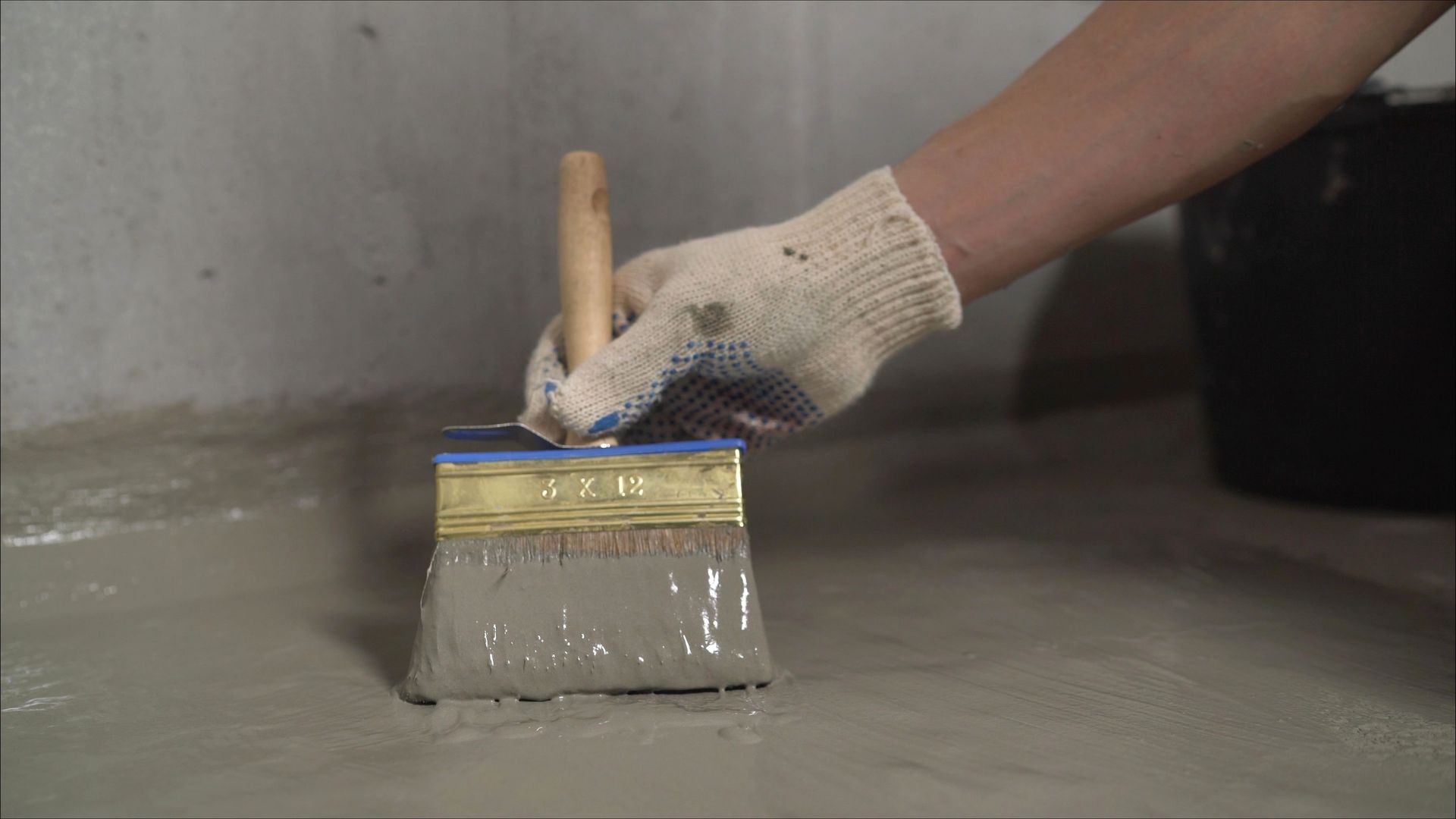
Choosing the right basement waterproofing method can save Bay Area homeowners from costly water damage, mold, and structural repairs. If you own a home in or around Mountain View, CA, understanding how interior and exterior systems work may be one of the most important decisions you make for your property. Call (650) 341-6932 to discuss the best approach for your home.
Why Bay Area Homes Face Unique Waterproofing Challenges
Bay Area homes sit in one of the most demanding environments for below-grade moisture management. Much of the region, including Mountain View, CA, and nearby San Mateo and Los Gatos, is built on clay-heavy soil. Clay holds water close to the surface after heavy rain, creating pressure against foundation walls.
Atmospheric river storms make this worse. These systems deliver sustained rainfall that saturates soil quickly and pushes water through basement walls. Homes in lower-lying Mountain View neighborhoods and hillside properties in Los Gatos are both vulnerable, just in different ways.
Understanding local conditions is the starting point for choosing the right basement waterproofing solution.
Interior Basement Waterproofing Explained
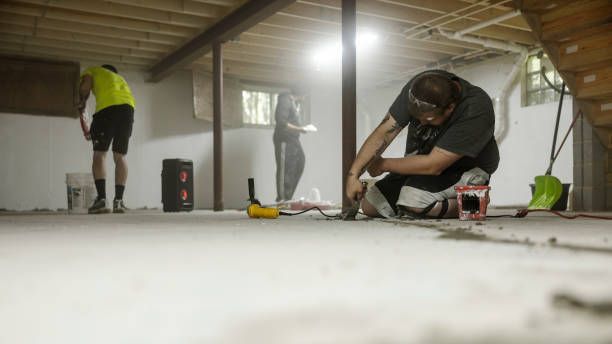
Interior waterproofing manages water that has already entered the basement, redirecting moisture before it can spread.
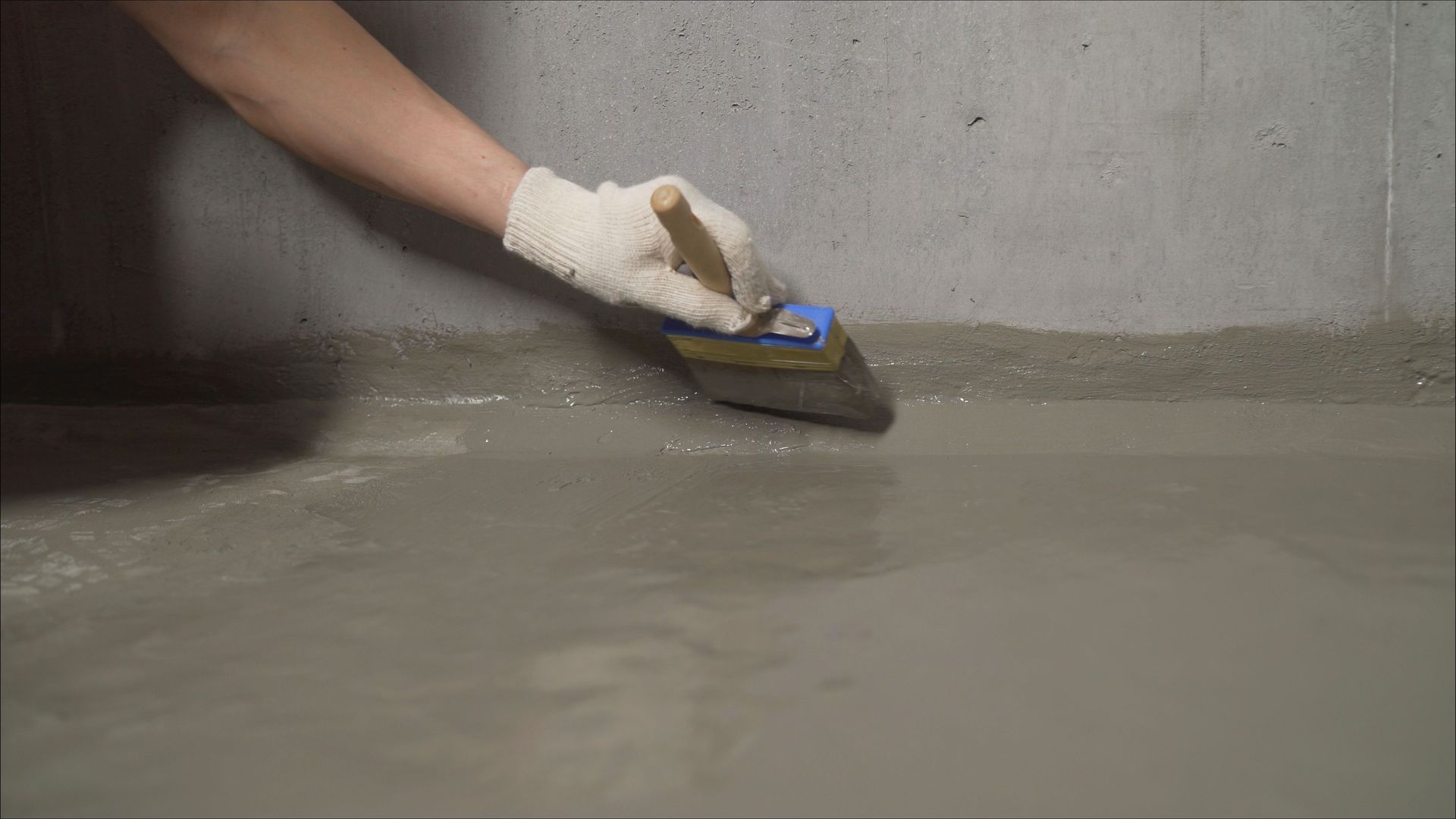
Common interior systems include interior drainage channels at the base of foundation walls that direct water to a sump pit, sump pumps that automatically discharge collected water away from the foundation, and crystalline or penetrating sealants applied to concrete walls to reduce moisture transmission.
Interior waterproofing is a practical choice when excavating around the foundation is not feasible, and it is frequently recommended for homes with minor seasonal seepage. Work is done from inside, causing less disruption to landscaping and exterior features.
One important point: interior systems manage water but do not stop it at the source. For homes where hydrostatic pressure against the foundation wall is the main issue, interior solutions alone may not be sufficient.
Exterior Basement Waterproofing Explained
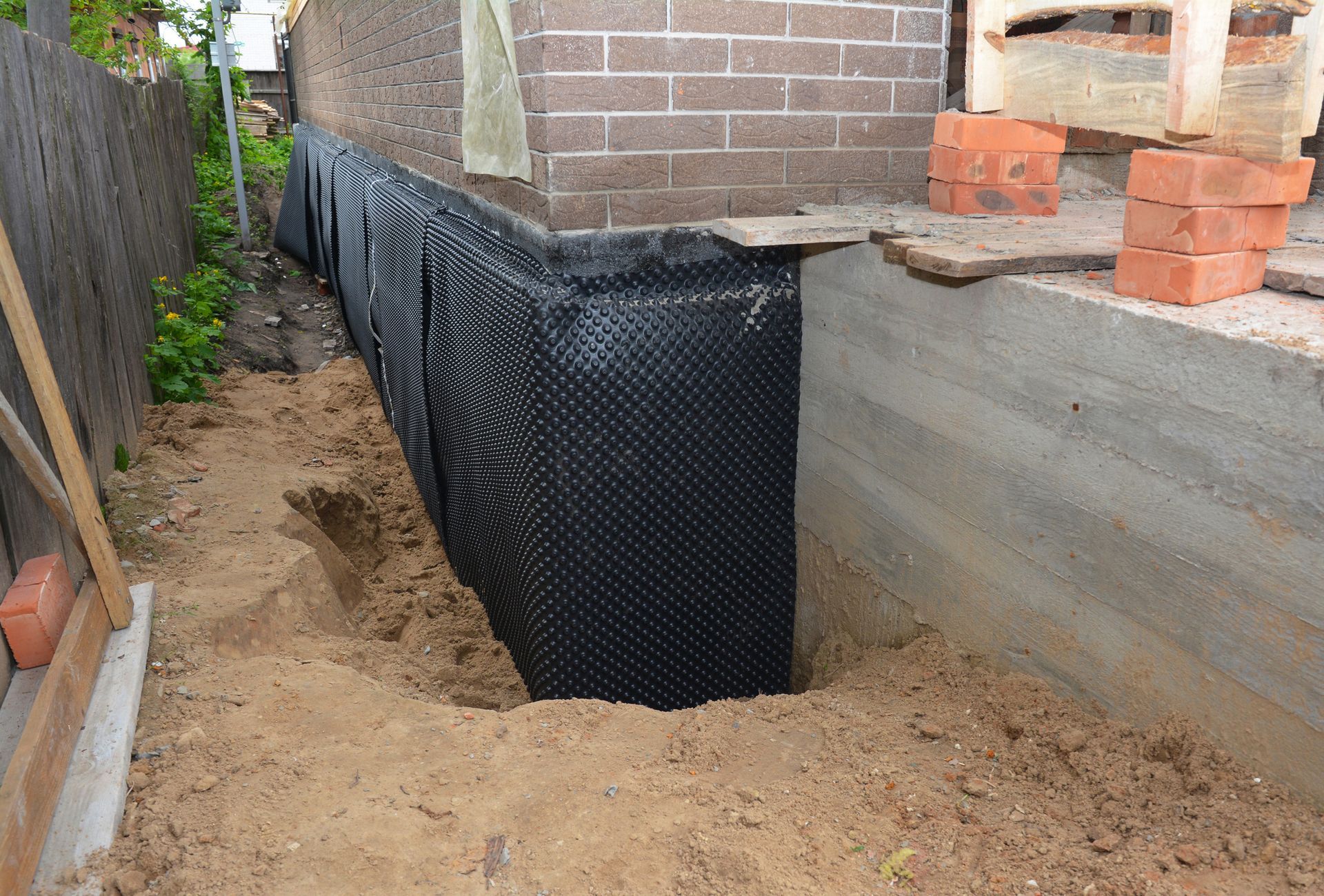
Exterior waterproofing stops water before it reaches your foundation walls and is considered the most comprehensive approach.
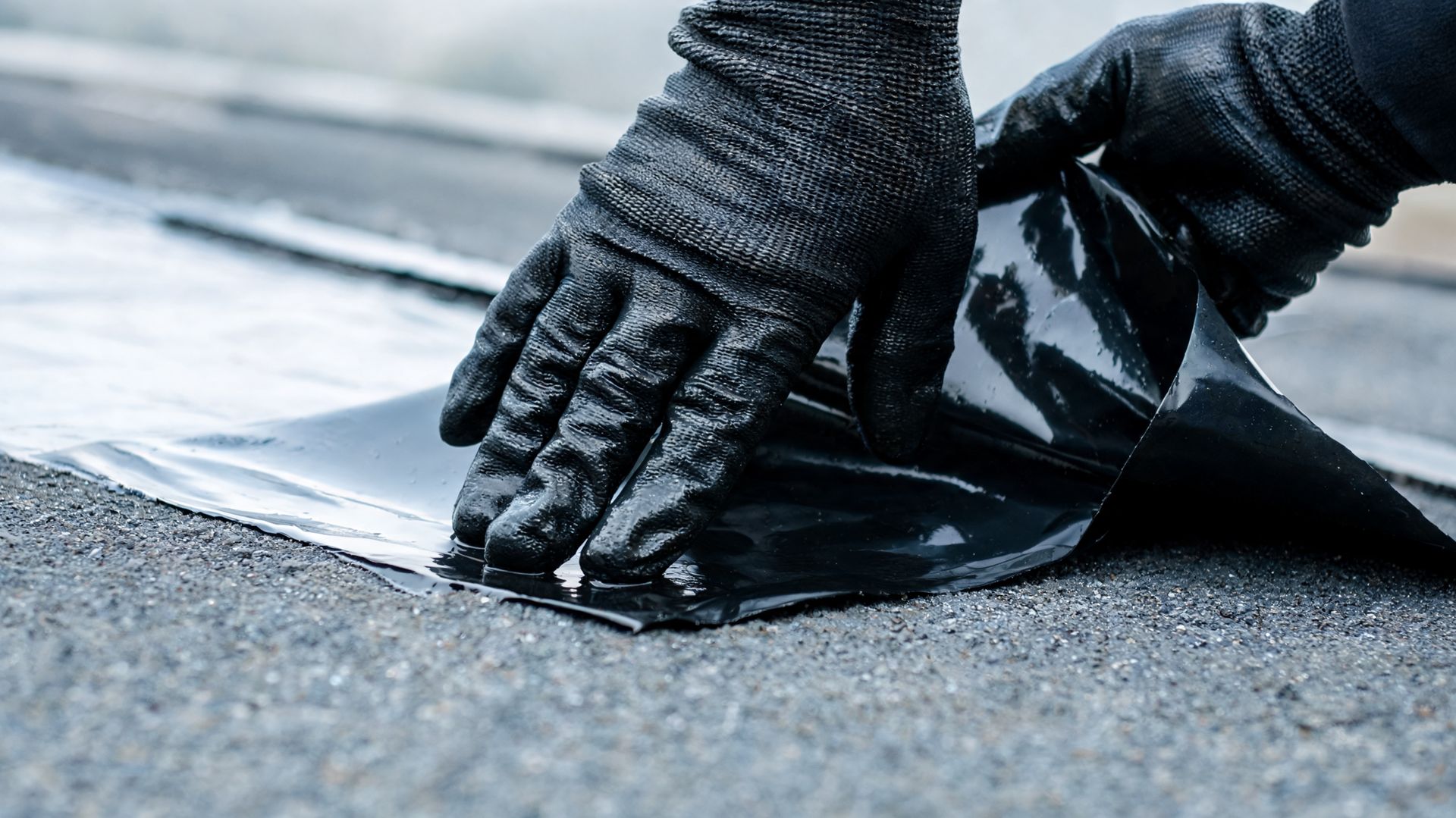
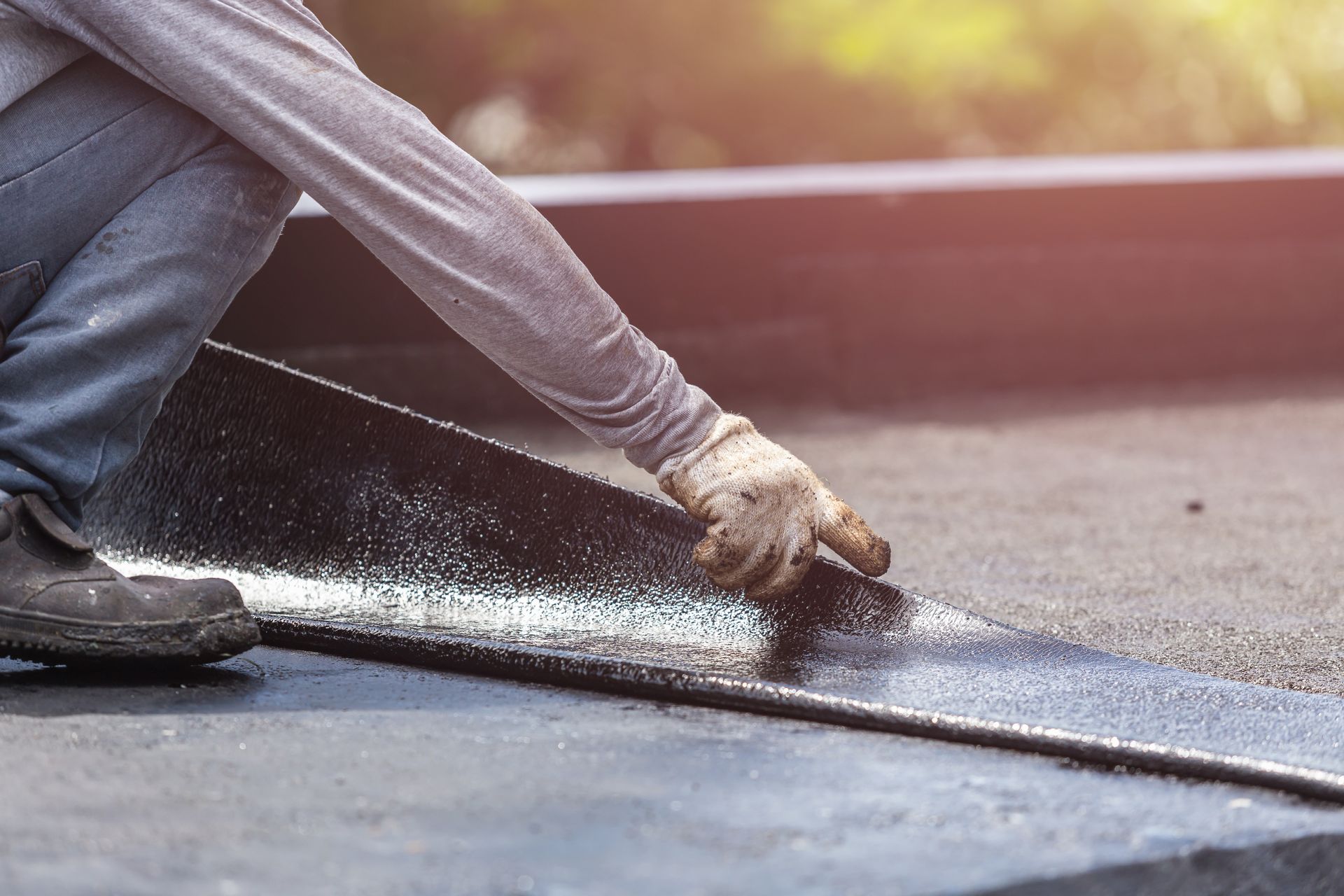
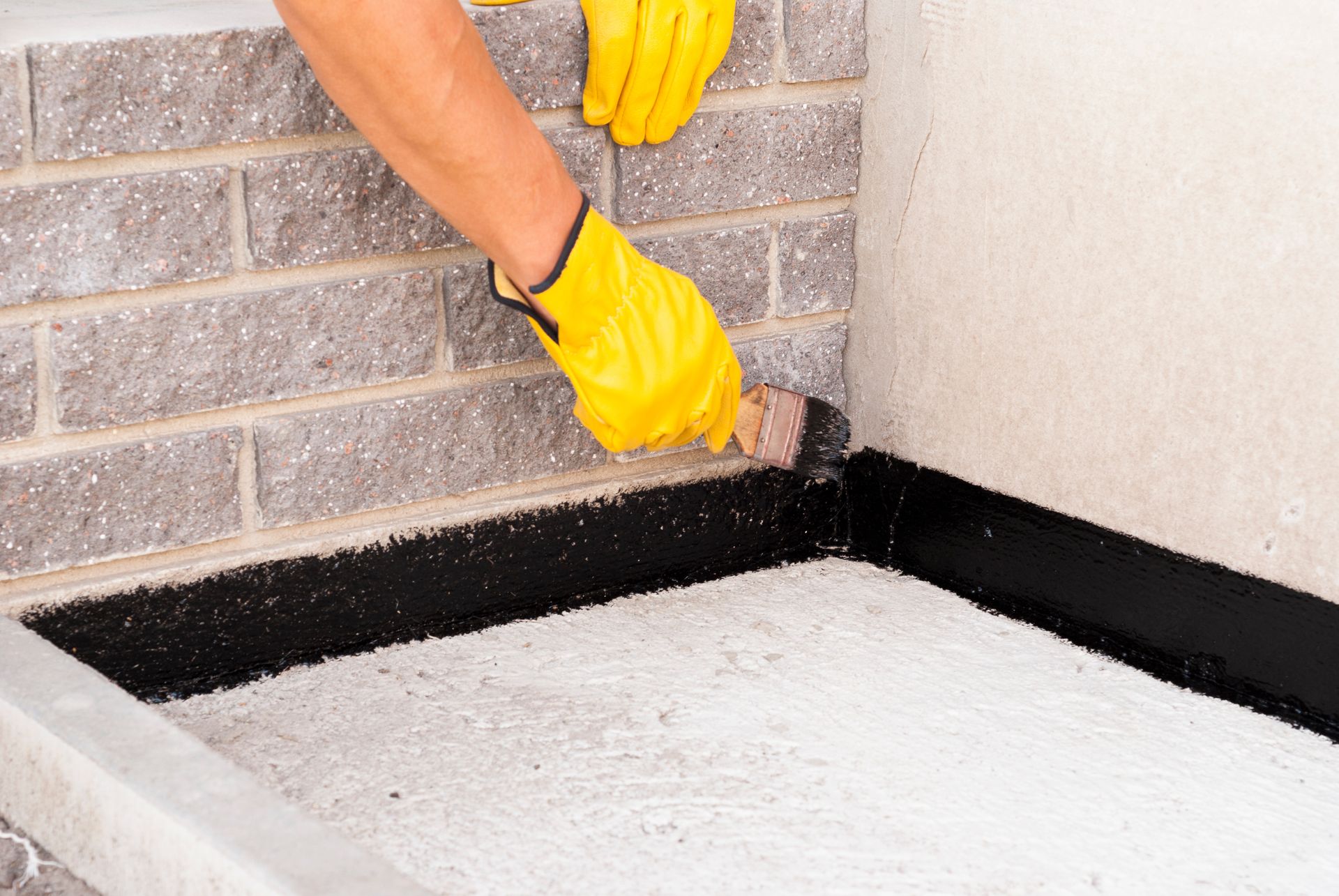
The process involves excavating soil around the home's perimeter down to the foundation footing, applying a waterproof membrane to the exterior wall, adding a drainage board, and installing a French drain at the footing to channel water away from the structure.
Exterior waterproofing is especially effective for hillside properties in Los Gatos or San Mateo homes with high water tables. It addresses hydrostatic pressure at the source rather than managing its effects.
The trade-off is cost and disruption. Excavation requires heavy equipment, and landscaping near the foundation may need removal and restoration. For this reason, exterior waterproofing is often prioritized for new construction, major renovations, or homes with severe ongoing water intrusion.
How to Choose the Right Method for Your Home
The right method depends on your home type, soil conditions, water pressure, and budget. Here is a simple framework:
Homes with occasional seasonal seepage and no foundation cracks may do well with interior drainage and a sump pump. Homes on expansive clay soils in Mountain View, CA, or hillside lots in Los Gatos where lateral pressure is significant may benefit most from exterior membrane waterproofing. Older Peninsula homes in San Mateo with aging foundations may need both interior and exterior approaches. Properties with finished basements often prioritize interior solutions because excavation disrupts the structure above.
A professional site assessment identifies where water is entering, how soil drainage behaves, and which method or combination fits your situation. If you are unsure which direction to take, reviewing the basics of basement waterproofing with a certified contractor is always a worthwhile first step.
What Signs Suggest You Need Waterproofing Now?
- Efflorescence (white mineral deposits) on basement walls
- Musty odors or visible mold growth
- Water stains on the floor or at wall joints
- Bowing or cracked foundation walls
- Standing water after heavy rain
If you notice any of these, act sooner rather than later. Our
basement waterproofing page covers the full range of solutions we offer.
Does One Method Last Longer Than the Other?
Exterior waterproofing membranes, when properly installed, often provide longer-lasting protection because they physically block water entry. Interior systems can be highly effective but may require periodic maintenance, especially sump pump components. Longevity for either system depends heavily on installation quality and materials.
Get Expert Help Serving Mountain View, CA
Choosing between interior and exterior waterproofing should be based on a professional assessment, not guesswork. Both methods have a role, and many Bay Area homes benefit from a combined approach accounting for clay soil, hillside drainage, and atmospheric river rainfall.
We have served Bay Area homeowners for over 30 years. We understand the soil, the climate, and the specific challenges that homes in Mountain View, CA, and across the region face every wet season. See what customers say by visiting Google Business Profile.
Schedule a
free estimate with Authentic Restoration and Waterproofing, Inc., or call
(650) 341-6932 (Peninsula) or
(510) 732-5400 (East Bay) to get started today.