
Does Homeowners Insurance Cover Basement Waterproofing in Menlo Park, CA?
Homeowners in Menlo Park often ask whether their insurance will pay for residential basement waterproofing after water has already damaged a basement. The answer depends on the policy and on the cause of the damage, so this article explains what to check and how to prepare a claim.
Why Insurance Questions Come Up After Basement Water Damage
A wet basement can cause damage that spreads quickly. Water may ruin stored belongings, damage flooring and drywall, and encourage mold. When the damage is sudden, many homeowners assume their policy covers the repair. When the damage builds slowly, the answer is often different.
Insurance questions usually follow a basement problem for two reasons. The damage can be expensive, and the cause is not always clear. Understanding the difference between sudden damage and gradual seepage helps a homeowner set expectations before filing a claim.
Sudden Damage and Gradual Seepage
Sudden damage, such as a burst supply line or a failed appliance, is often treated differently from long-term moisture that seeps through a foundation over months or years. Many policies focus on sudden and accidental losses, while gradual leaks and repeated seepage are frequently excluded.
What a Homeowners Policy Usually Covers and Excludes
Every policy is different, so a homeowner should read the actual document rather than rely on a general rule. Still, several patterns appear across many residential policies in California.
- Sudden and accidental water damage from a burst pipe or a failed appliance is often covered, subject to the policy terms.
- Gradual leaks, seepage, and repeated moisture problems are often excluded.
- Flood damage usually requires separate flood coverage, since standard homeowners policies frequently do not include it.
- Waterproofing and foundation repairs are often treated as maintenance or prevention, which many policies do not cover.
These patterns are only a starting point. A policy can include endorsements or exclusions that change the answer, so the policy language decides the outcome.
Why Flood Coverage Is Separate
Flood coverage is commonly sold as a separate policy, and it may apply to water that rises from outside the home. A homeowner who lives near creeks or low-lying areas should ask the insurer which type of coverage applies to a basement problem.
How to Check Your Policy Before You Act
A few steps can clarify coverage before a repair begins. Taking these steps early can prevent surprises later.
- Find your current policy and read the sections on water damage, seepage, and exclusions.
- Note any endorsements, such as water backup or sump pump coverage.
- Confirm the policy deductible and any limits that apply to water damage.
- Call the insurer and describe the cause of the water, when it started, and whether it is ongoing.
- Ask the insurer what documentation it will need before the repair starts.
Each step helps a homeowner understand what the policy will likely pay and what it will not. The insurer's answer is the most reliable guide for a specific claim.
Documenting Damage for an Insurance Claim
Good documentation makes a claim easier to review. Photos and notes taken soon after the damage can show the extent of the problem and its timing.
- Photograph the water, the damaged materials, and the source if it is visible.
- Keep a list of damaged belongings, with approximate age and value.
- Save receipts for emergency cleanup, drying equipment, and temporary repairs.
- Record the date when the water was first noticed and the date it was reported.
Do not throw away damaged items until the insurer has reviewed them, unless a health or safety risk requires immediate removal. Ask the insurer whether it wants to inspect the damage first.
Why the Cause Matters Most
The cause of the water decides much of the outcome. A burst pipe is usually treated differently from seepage through a foundation wall. A clear, honest description of the cause helps the adjuster understand the claim without guesswork.
Why Waterproofing Often Falls Outside a Claim
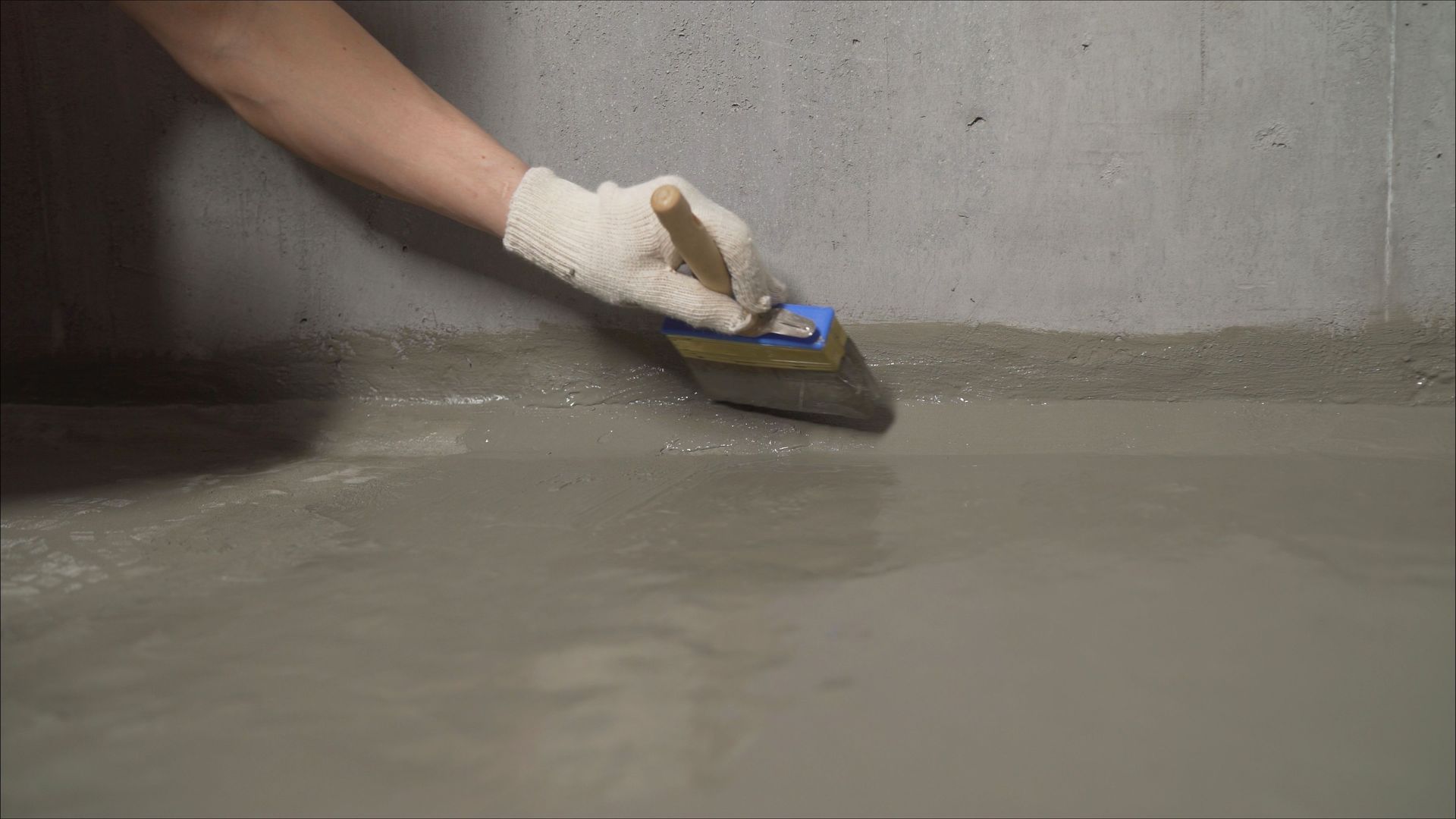
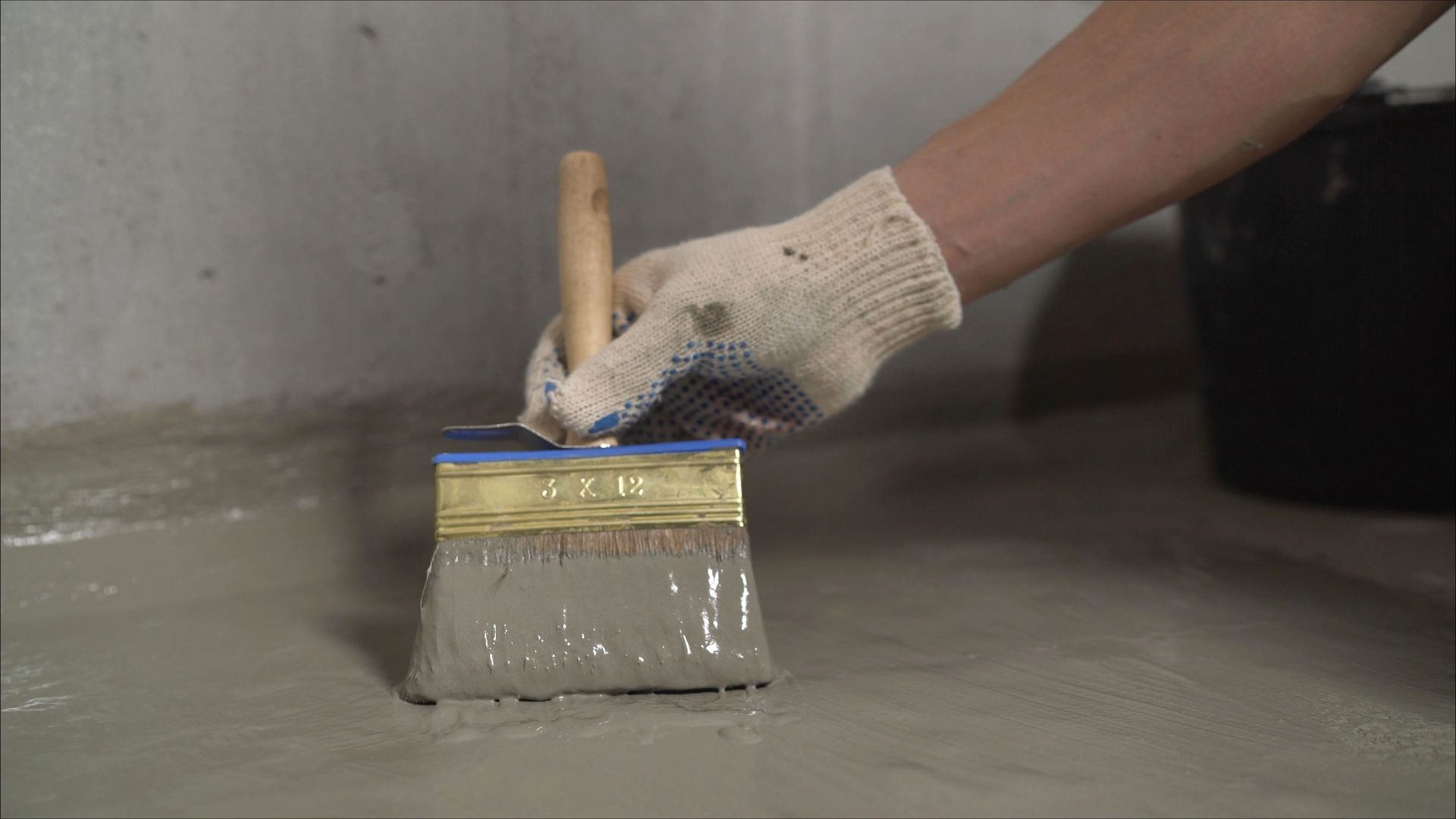
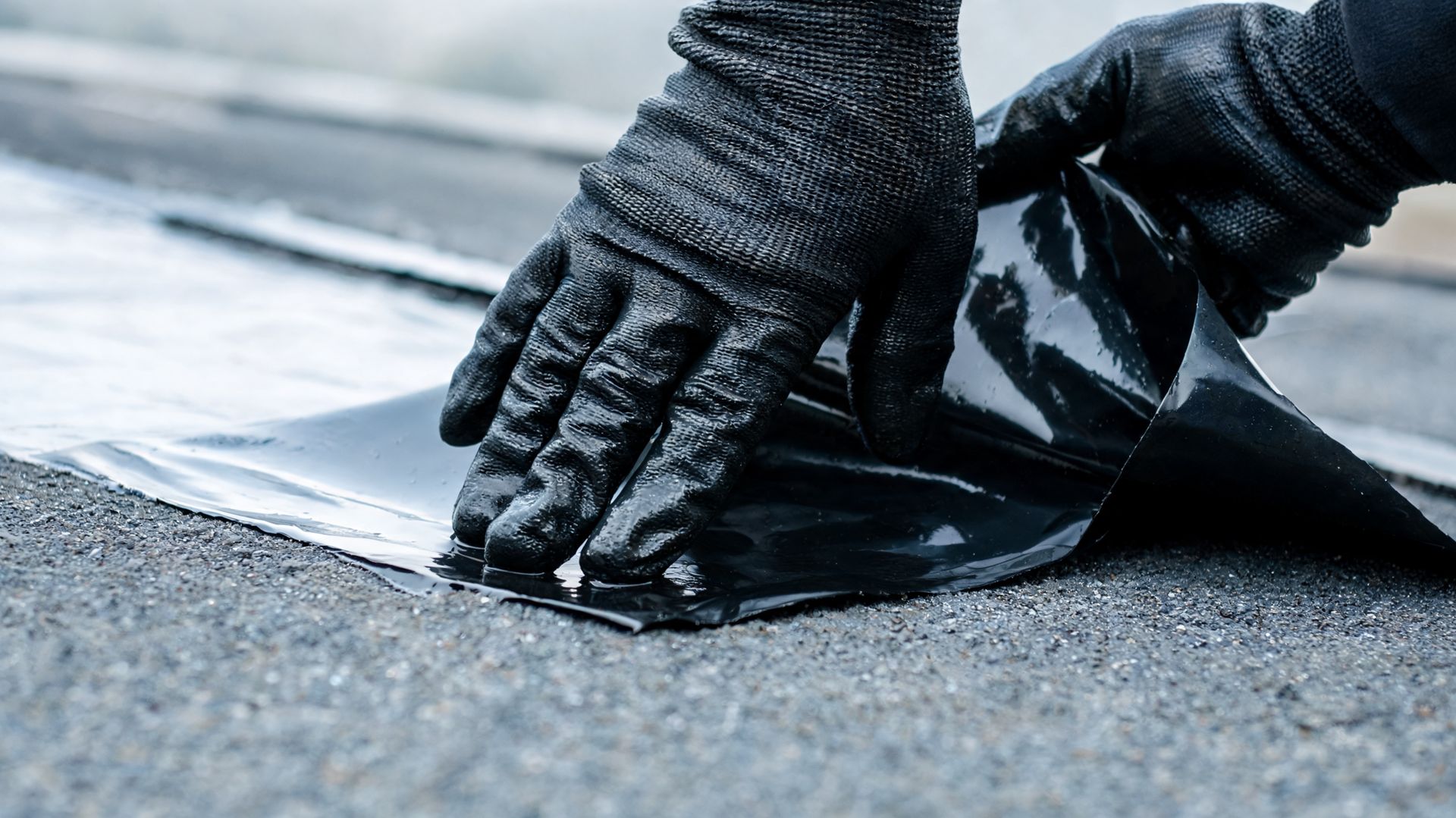
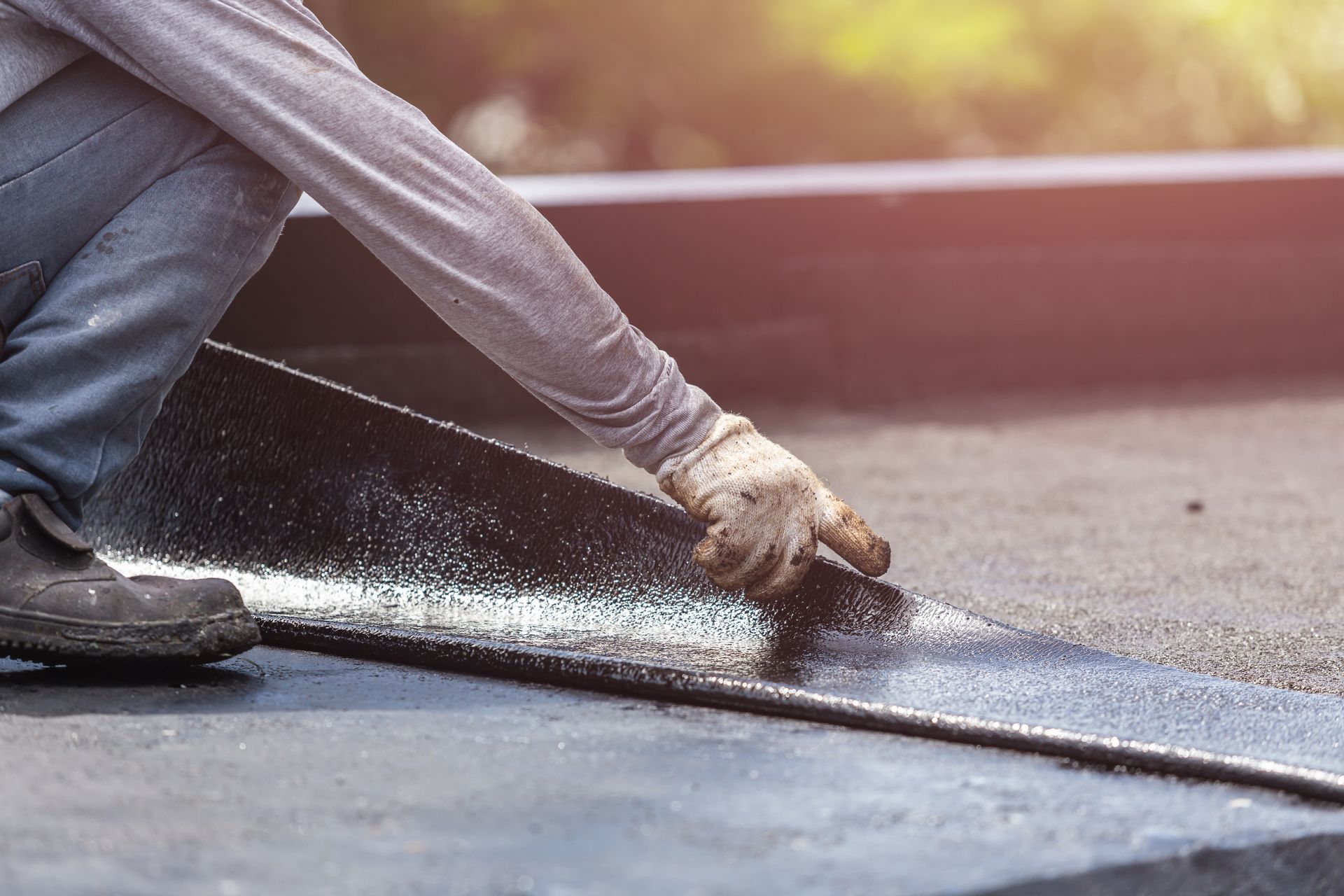
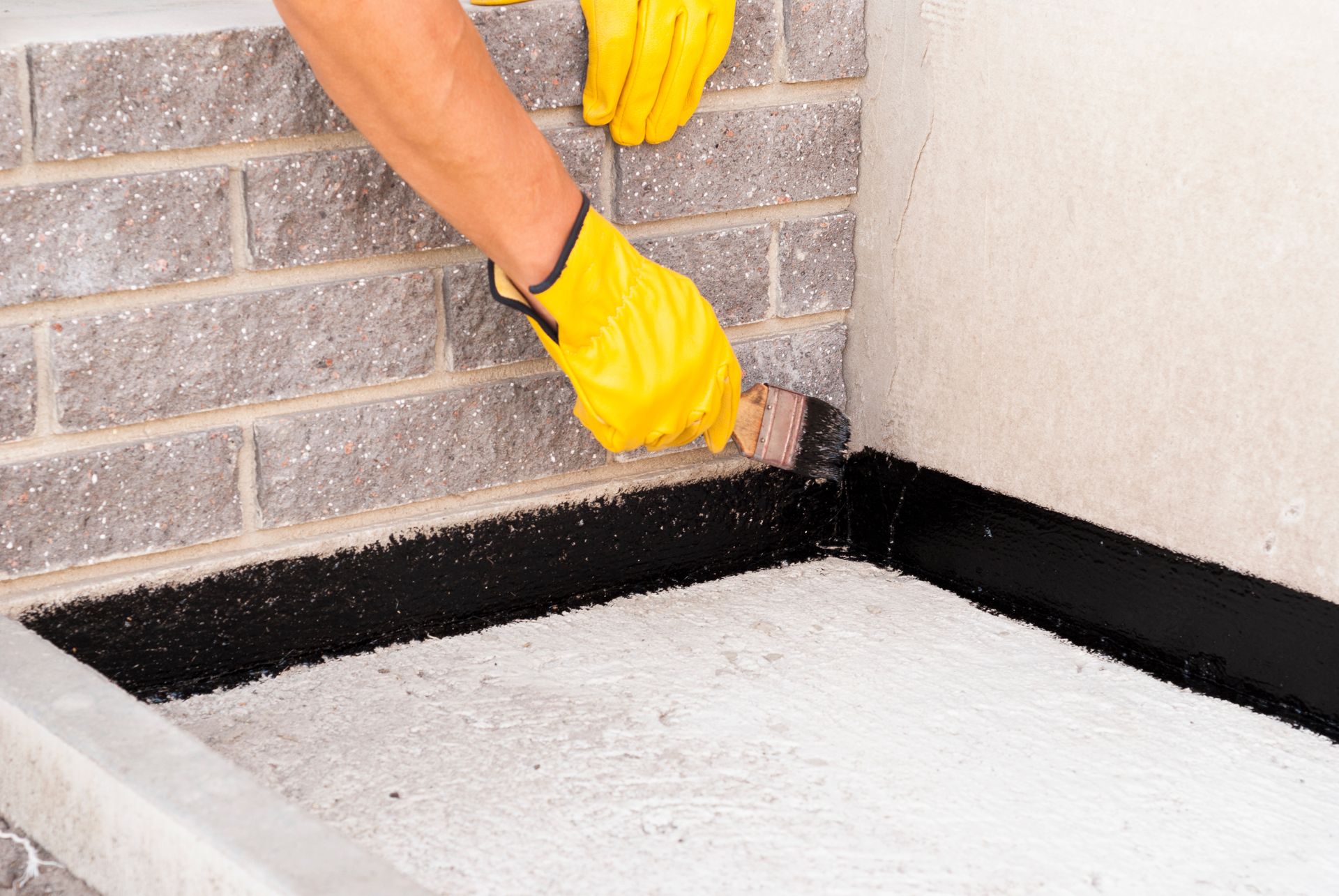
Many homeowners assume that waterproofing will be paid for by insurance once damage occurs. In practice, waterproofing is often treated as a prevention measure that stops future problems. Policies usually pay to repair damage that has already happened, not to prevent it from happening again.
That distinction matters for planning. A homeowner who waits for coverage may delay a repair that could limit future damage. In many cases, the homeowner pays for waterproofing directly, and the insurer pays only for the damage that occurred before the repair. That distinction matters for residential basement waterproofing planning.
Planning for Residential Basement Waterproofing Costs in Menlo Park
Because insurance often does not cover prevention, many Menlo Park homeowners plan for waterproofing as a home investment. A careful assessment identifies the moisture source, and the scope of work follows from that finding.
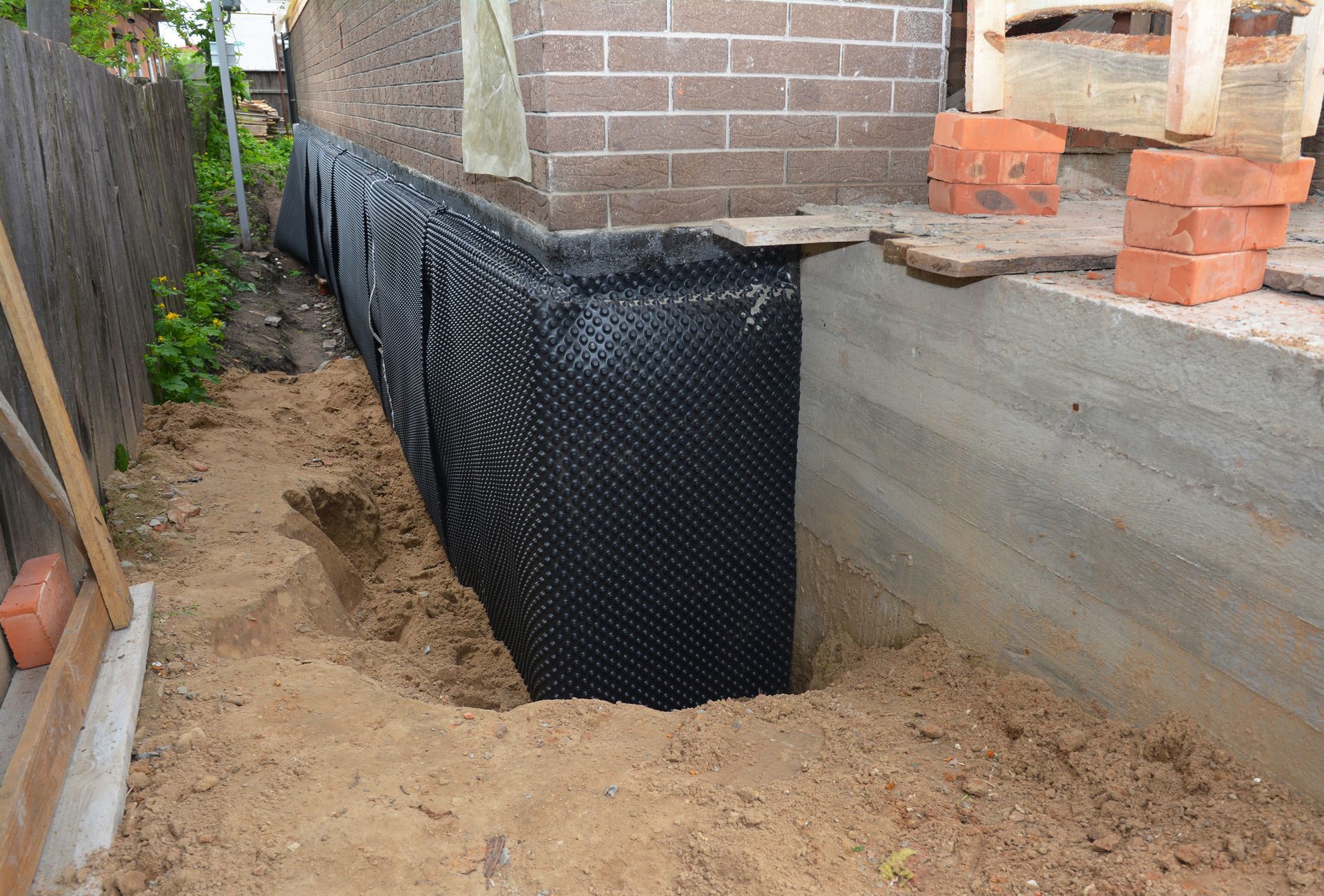
For residential basement waterproofing, the right approach may include interior drainage, a sump pump system, crack repair, or crawl space work. Each option has its own costs and benefits. A written scope from a qualified contractor helps the homeowner compare options and decide what to do first.
Protect Your Menlo Park Basement With a Clear Plan
Insurance can help with sudden damage, but it rarely pays for the waterproofing that prevents the next problem. A clear plan includes reading the policy, documenting the damage, and understanding the cause. Homeowners who prepare early are in a stronger position to decide what to repair and when.
Authentic Restoration and Waterproofing, Inc. serves Menlo Park from its Hayward office and provides residential basement waterproofing for homes in the area. The team assesses the moisture source and explains the options in writing. Call
(650) 341-6932
to schedule a free estimate, or
contact the team online
to start the conversation. You can also review the
basement waterproofing services
the company offers.